October 2, 2026
Choosing a caterer involves more than selecting a menu and confirming a date. The right catering provider should understand the event, accommodate the guest list, communicate clearly, and deliver food that fits the occasion. Whether planning a wedding, corporate gathering, private celebration, or community event, asking detailed questions can make the planning process easier. Local catering services can vary in menu options, staffing, pricing, preparation methods, and event support. Taking time to discuss these details before booking can help prevent misunderstandings later. It also gives the catering team an opportunity to understand the event's specific needs. According to Lunchbox.io, 63% of the catering business consists of catering for customers, often referred to as B2C or social catering. Understanding the catering company's approach to private and social events can help create realistic expectations from the beginning.
1. What Catering Experience Do You Have?
Experience is an important consideration when comparing catering providers for an upcoming event. Ask how long the company has been catering and what types of events it regularly handles. Local catering services with experience across different event settings may be familiar with the logistical challenges that can arise during planning. A caterer should also be able to explain how its team handles different guest counts and event formats. Asking about previous experience can provide useful insight into whether the provider is suited to the occasion. It can also help identify whether the caterer has worked with venues similar to the one selected for the event. Discussing experience early gives both sides an opportunity to determine whether the partnership is appropriate. This conversation can establish a clearer understanding of what the catering team can provide.
2. What Menu Options Are Available?
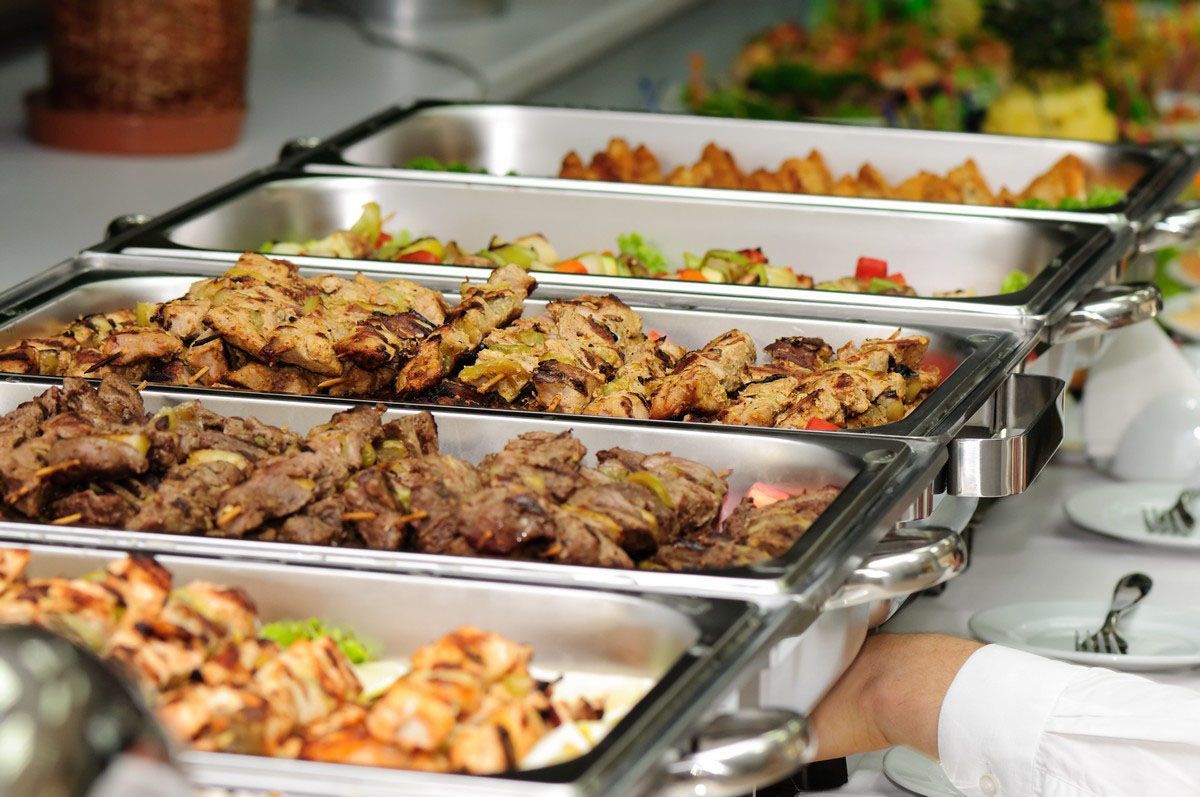
The menu is one of the most important elements to discuss before booking a caterer. Ask whether the company provides set menus, customizable selections, or both options for different types of events. Local catering services may offer appetizers, entrees, side dishes, desserts, beverages, and other food choices depending on the event. It is also helpful to ask how far in advance menu selections need to be finalized. Guests may have dietary restrictions, allergies, or preferences that should be considered during the planning process. Ask whether vegetarian, vegan, gluten-free, or other specialized options can be accommodated. Portion sizes and serving styles should also be discussed so the menu matches the expected guest count. A detailed menu conversation can help ensure the food selection aligns with the event's purpose and attendees.
3. How Is Catering Pricing Determined?
Understanding the pricing structure can help prevent unexpected costs as the event approaches. Ask whether catering is priced per person, by menu item, by package, or through another arrangement. Local catering services may have different pricing structures depending on the menu, number of guests, staffing needs, and event requirements. Request a detailed estimate that explains what is included in the quoted price. It can also be useful to ask about service charges, delivery fees, setup costs, rentals, taxes, and other potential expenses. Knowing these details ahead of time makes it easier to establish a realistic event budget. Ask whether the final price can change if the guest count or menu changes before the event. Clear pricing discussions can make financial planning more straightforward and reduce surprises.
4. What Services Are Included?
Food preparation may be only one part of what a catering company provides for an event. Ask whether the catering package includes delivery, setup, serving staff, cleanup, tableware, linens, or other event-related services. Local catering services may structure these offerings differently, so it is important to understand exactly what is included before signing an agreement. If staff members will be present, ask how many servers or culinary professionals will attend based on the guest count. Discuss who will handle food setup and when the catering team is expected to arrive at the venue. Cleanup responsibilities should also be clarified so there is no uncertainty after the meal has been served. If rentals are needed, determine whether the caterer supplies them or whether they must be arranged separately. Having these details documented can make coordination easier for everyone involved.
5. How Are Dietary Needs Handled?
Dietary requirements should be discussed well before the event date. Ask the caterer how it handles food allergies, dietary restrictions, and individual preferences. Local catering services may have different procedures for preparing specialized meals, so understanding those practices can help with planning. It is important to communicate serious allergies clearly rather than assuming that a particular menu item is automatically safe. Ask whether separate preparation areas, ingredients, or serving procedures are available when necessary. The caterer should also know how many guests require alternative meals and when that information must be provided. Keeping an accurate guest list can make it easier to communicate these requirements. Early discussion gives the catering team more time to plan appropriate food selections and serving arrangements.
6. Can You Accommodate the Guest Count?
Guest count can influence nearly every aspect of catering, from food quantities to staffing and equipment. Ask the caterer about the minimum and maximum number of guests it can comfortably serve for the type of event being planned. Local catering services may have different capabilities depending on their kitchen operations, staffing levels, and service style. Provide the most accurate guest estimate possible when requesting a proposal. It is also helpful to ask when the final guest count is required. If attendance changes, find out whether the menu or pricing can be adjusted accordingly. Larger events may require additional staff, preparation time, serving stations, or equipment. Confirming these details in advance can help the catering plan match the actual size and needs of the gathering.
7. What Is the Event-Day Process?
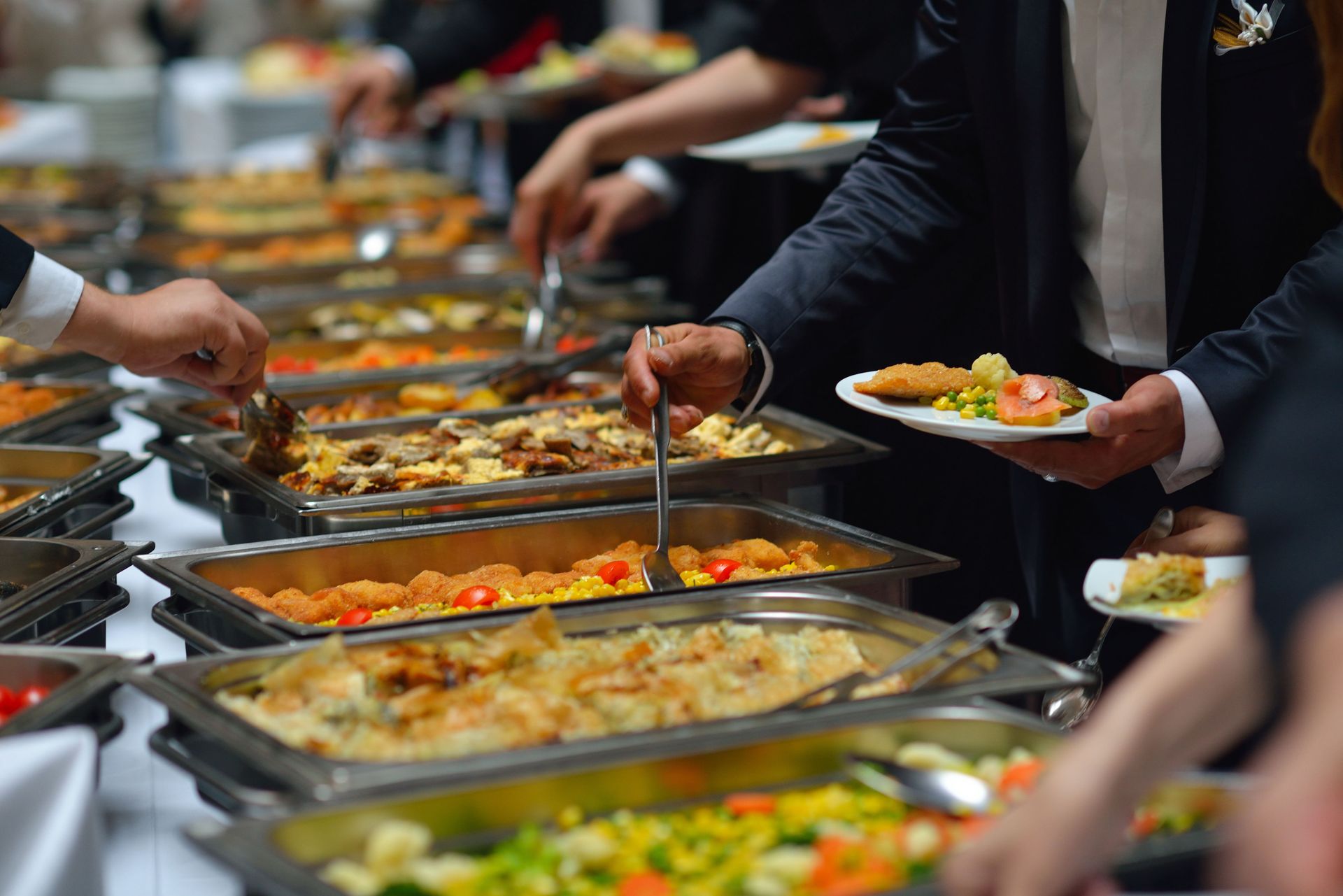
Understanding what happens on the event day can make the overall experience more organized. Ask the caterer to explain the expected timeline from arrival and setup through food service and cleanup. Local catering services may use different procedures depending on whether the event involves a buffet, plated meal, stations, or another serving format. Discuss the expected arrival time and identify who will coordinate with the venue when the catering team arrives. Ask how food will be kept at appropriate serving conditions throughout the event. It can also be helpful to identify the primary contact person responsible for catering-related questions that day. Knowing how the process will unfold can help the event organizer coordinate other vendors and activities. A clear timeline can reduce confusion and keep the meal service moving smoothly.
8. How Far in Advance Should Catering Be Booked?
Booking timelines can vary based on the event type, guest count, venue, and time of year. Ask the caterer how early it recommends reserving a date for the type of gathering being planned. Local catering services may have limited availability during particularly busy periods, making early planning useful. Large weddings and corporate events may require more preparation than smaller private gatherings. Ask when menu selections, guest counts, and other final details must be submitted. It is also helpful to confirm when deposits and signed agreements are required to secure the date. Starting the conversation early gives the catering team more time to prepare for specific event requirements. Early planning can also make it easier to coordinate catering with the venue and other event professionals.
Selecting a caterer is an important part of planning an enjoyable and organized event. Asking questions about experience, menus, pricing, staffing, dietary accommodations, guest counts, and event-day procedures can provide valuable information. Local catering services should be able to explain their offerings and expectations clearly during the planning process. Comparing the answers can help event organizers identify which services align with their specific requirements. Reviewing the agreement carefully can further reduce confusion about responsibilities and costs. Communication should continue throughout the planning process as guest numbers, menus, or event details develop. A well-planned catering arrangement allows the food service to fit naturally into the broader event schedule. For professional catering assistance tailored to the needs of your gathering, contact Black Tie Catering to discuss your event, menu preferences, guest count, and service requirements.